Tuesday, May 5, 2020

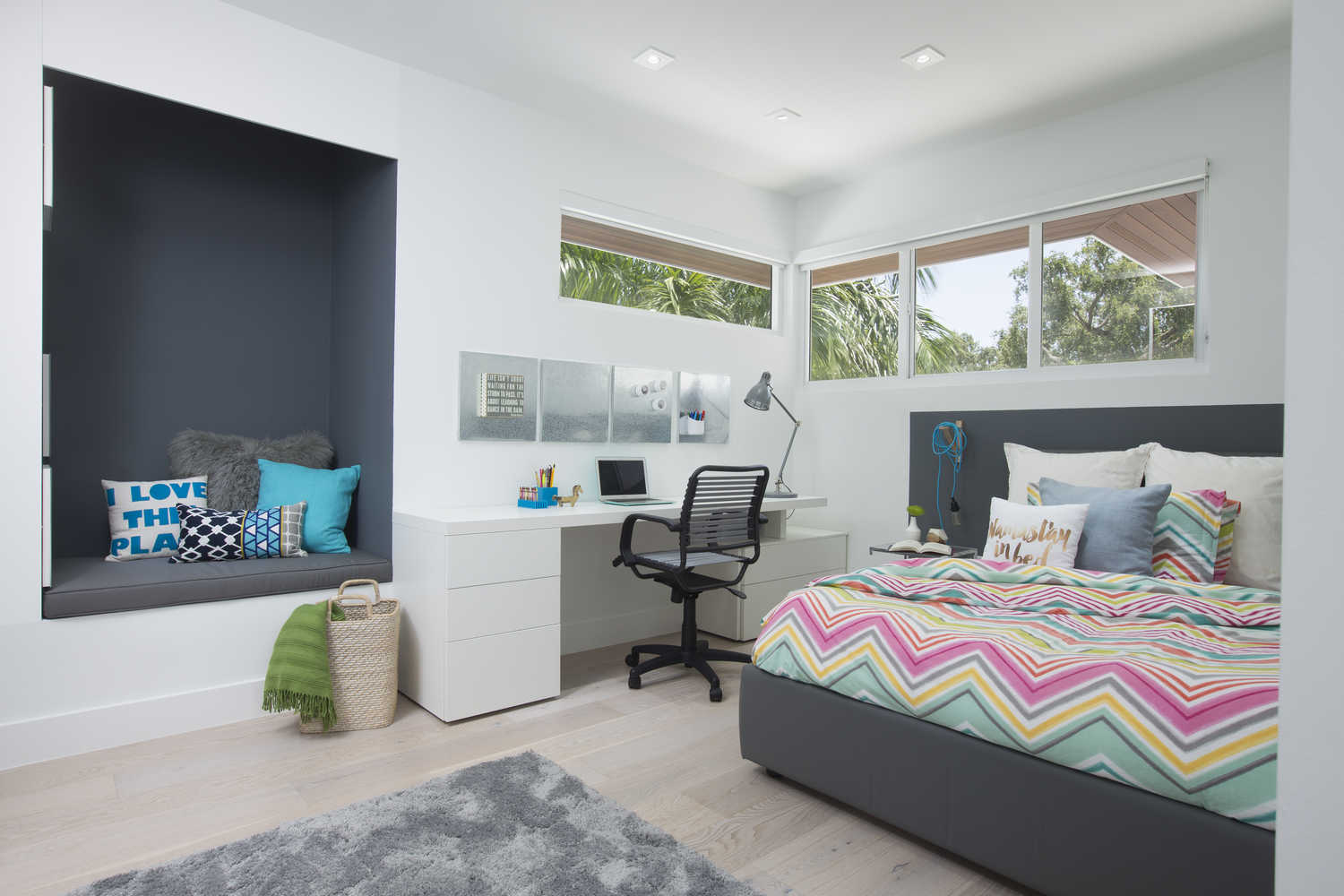
Just Off the Press: 1920sera duplex in Interiors Magazine December 2013David Giral

Interior design is the artwork and knowledge of enhancing the inside of a building to achieve a healthier and even more aesthetically pleasing environment for the individuals using the area. An interior developer is somebody who plans, studies, coordinates, and manages such projects. Interior design is a multifaceted job which includes conceptual development, space planning, site inspections, development, research, communicating with the stakeholders of the project, construction management, and execution of the design.Just Off the Press: 1920sera duplex in Interiors Magazine December 2013  David Giral

Related Images with Just Off the Press: 1920sera duplex in Interiors Magazine December 2013 David Giral

In the past, interiors were put together instinctively as part of the process of creating.[1] The career of interior design has been a consequence of the development of modern culture and the complicated structures that has resulted from the introduction of industrial procedures. The pursuit of effective use of space, user well-being and practical design has contributed to the development of the contemporary interior design profession. The occupation of interior design is distinct and unique from the role of interior decorator, a term commonly used in the US. The word is less common in the united kingdom, where the occupation of home design is still unregulated and for that reason, firmly speaking, not yet officially an occupation.

In historic India, architects used to work as interior designers. This can be seen from the personal references of Vishwakarma the architect - one of the gods in Indian mythology. Additionally, the sculptures depicting ancient texts and happenings have emerged in palaces built-in 17th-century India.In historical Egypt, "soul residences" or types of houses were put in tombs as receptacles for food offerings. From these, you'll be able to discern details about the interior design of different residences throughout the different Egyptian dynasties, such as changes in ventilation, porticoes, columns, loggias, home windows, and entry doors.[2]Through the entire 17th and 18th hundred years and in to the early 19th century, interior beautification was the concern of the homemaker, or an applied upholsterer or craftsman who suggest on the artistic style for an inside space. Architects would also use craftsmen or artisans to complete interior design for their properties.Within the mid-to-late 19th hundred years, home design services expanded greatly, as the center class in professional countries grew in size and success and commenced to desire the home trappings of prosperity to cement their new position. Large furniture organizations began to branch out into general interior design and management, offering full house furnishings in a variety of styles. This business design flourished from the mid-century to 1914, when this role was ever more usurped by indie, often amateur, designers. This paved just how for the introduction of the professional home design in the middle-20th hundred years.[3]In the 1950s and 1960s, upholsterers started to increase their business remits. They framed their business more broadly and in artistic terms and initiated to market their home furniture to the public. To meet up the growing demand for agreement interior focus on assignments such as offices, hotels, and general population buildings, these lenders became much bigger and more technical, employing contractors, joiners, plasterers, textile designers, music artists, and furniture designers, as well as engineers and technicians to fulfil the work. Firms began to create and circulate catalogs with prints for different luxurious styles to entice the attention of broadening middle classes.[3]As shops increased in number and size, retail places within outlets were furnished in various styles as illustrations for customers. One specifically effective advertising tool was to create model rooms at national and international exhibitions in showrooms for the public to see. A number of the pioneering firms in this respect were Waring & Gillow, James Shoolbred, Mintons, and Holland & Sons. These traditional high-quality furniture making companies began to learn an important role as advisers to uncertain middle income customers on taste and style, and started taking out deals to create and furnish the interiors of many important properties in Britain.[4]This sort of firm emerged in America after the Civil Conflict. The Herter Brothers, founded by two German emigre brothers, began as an upholstery warehouse and became one of the first organizations of furniture manufacturers and interior decorators. With the own design office and cabinet-making and upholstery workshops, Herter Brothers were ready to accomplish every aspect of interior furnishing including decorative paneling and mantels, wall membrane and ceiling beautification, patterned floors, and carpets and draperies.[5]A pivotal figure in popularizing ideas of home design to the middle class was the architect Owen Jones, one of the very most influential design theorists of the nineteenth century.[6] Jones' first job was his most important--in 1851, he was accountable for not only the adornment of Joseph Paxton's gigantic Crystal Palace for the fantastic Exhibition but also the layout of the displays within. He opt for controversial palette of red, yellow, and blue for the inside ironwork and, despite initial negative publicity in the magazines, was eventually launched by Queen Victoria to much critical acclaim. His most significant publication was The Grammar of Ornament (1856),[7] in which Jones produced 37 key key points of home design and decoration.Jones was employed by some of the leading interior design firms of your day; in the 1860s, he proved helpful in cooperation with the London company Jackson & Graham to create furniture and other fittings for high-profile clients including skill collector Alfred Morrison as well as Ismail Pasha, Khedive of Egypt.In 1882, the London Listing of the Post Office posted 80 interior decorators. Some of the most recognized companies of the period were Crace, Waring & Gillowm and Holland & Sons; famous decorators utilized by these businesses included Thomas Edward Collcutt, Edward William Godwin, Charles Barry, Gottfried Semper, and George Edmund Road.[8]By the change of the 20th century, beginner advisors and publications were more and more challenging the monopoly that the large retail companies possessed on interior design. English feminist creator Mary Haweis composed a series of extensively read essays in the 1880s in which she derided the eagerness with which aspiring middle-class people supplied their houses in line with the rigid models wanted to them by the merchants.[9] She advocated the average person adoption of a particular style, tailor made to the average person needs and personal preferences of the client.

Monday, May 4, 2020

Residential Interior Design \u0026 HDB Renovation Contractor Singapore

Interior design is the artwork and research of enhancing the interior of any building to attain a healthier and more aesthetically satisfying environment for the individuals using the space. An interior developer is someone who plans, researches, coordinates, and manages such tasks. Interior design is a multifaceted vocation which includes conceptual development, space planning, site inspections, coding, research, connecting with the stakeholders of any project, building management, and execution of the look.Residential Interior Design \u0026 HDB Renovation Contractor Singapore

Related Images with Residential Interior Design \u0026 HDB Renovation Contractor Singapore

Before, interiors were put together instinctively as a part of the process of building.[1] The career of home design has been a consequence of the introduction of contemporary society and the intricate architecture that has resulted from the introduction of industrial processes. The quest for effective use of space, end user well-being and useful design has added to the development of the contemporary home design profession. The vocation of interior design is independent and particular from the role of interior decorator, a term commonly found in the US. The term is less common in the UK, where the profession of home design is still unregulated and for that reason, totally speaking, not yet officially a profession.

In traditional India, architects used to work as interior designers. This can be seen from the referrals of Vishwakarma the architect - one of the gods in Indian mythology. Additionally, the sculptures depicting old texts and events are seen in palaces built-in 17th-century India.In historic Egypt, "soul homes" or types of houses were positioned in tombs as receptacles for food offerings. From these, it is possible to discern information regarding the interior design of different residences throughout the various Egyptian dynasties, such as changes in ventilation, porticoes, columns, loggias, house windows, and gates.[2]Through the entire 17th and 18th century and into the early 19th century, interior design was the matter of the homemaker, or an hired upholsterer or craftsman who would guide on the creative style for an inside space. Architects would also employ craftsmen or artisans to complete home design for their complexes.Within the mid-to-late 19th hundred years, interior design services extended greatly, as the center class in industrial countries grew in proportions and success and began to desire the domestic trappings of prosperity to cement their new status. Large furniture organizations started to branch out into basic interior design and management, offering full house fixtures in a number of styles. This business model flourished from the mid-century to 1914, when this role was more and more usurped by independent, often amateur, designers. This paved just how for the emergence of the professional home design in the mid-20th century.[3]In the 1950s and 1960s, upholsterers commenced to grow their business remits. They framed their business more broadly and in imaginative terms and started out to market their home furniture to the general public. To meet the growing demand for contract interior focus on projects such as office buildings, hotels, and public buildings, these businesses became much larger and more complex, employing contractors, joiners, plasterers, textile designers, musicians and artists, and furniture designers, as well as technical engineers and technicians to fulfil the work. Firms began to create and circulate catalogs with prints for different luxurious styles to attract the interest of growing middle classes.[3]As shops increased in quantity and size, retail spaces within shops were furnished in various styles as examples for customers. One especially effective advertising tool was to set up model rooms at countrywide and international exhibitions in showrooms for the public to see. A number of the pioneering businesses in this regard were Waring & Gillow, James Shoolbred, Mintons, and Holland & Sons. These traditional high-quality furniture making companies began that can be played an important role as advisers to doubtful middle income customers on style and style, and began taking out deals to create and provide the interiors of several important complexes in Britain.[4]This type of firm emerged in the us after the Civil Battle. The Herter Brothers, founded by two German emigre brothers, began as an upholstery warehouse and became main businesses of furniture designers and interior decorators. Using their own design office and cabinet-making and upholstery workshops, Herter Brothers were ready to accomplish every part of interior furnishing including attractive paneling and mantels, wall structure and ceiling decor, patterned flooring, and carpets and draperies.[5]A pivotal number in popularizing ideas of home design to the middle school was the architect Owen Jones, one of the most influential design theorists of the nineteenth hundred years.[6] Jones' first job was his most important--in 1851, he was in charge of not only the beautification of Joseph Paxton's gigantic Crystal Palace for the Great Exhibition but also the layout of the exhibits within. He opt for controversial palette of red, yellow, and blue for the inside ironwork and, despite original negative promotion in the newspaper publishers, was eventually launched by Queen Victoria to much critical acclaim. His most crucial publication was The Grammar of Ornament (1856),[7] where Jones developed 37 key rules of home design and decoration.Jones was utilized by some of the leading interior design businesses of your day; in the 1860s, he worked in collaboration with the London firm Jackson & Graham to produce furniture and other fittings for high-profile clients including skill collector Alfred Morrison as well as Ismail Pasha, Khedive of Egypt.In 1882, the London Listing of the POSTOFFICE stated 80 interior decorators. Some of the most recognized companies of the time were Crace, Waring & Gillowm and Holland & Sons; famous decorators utilized by these businesses included Thomas Edward Collcutt, Edward William Godwin, Charles Barry, Gottfried Semper, and George Edmund Avenue.[8]By the switch of the 20th hundred years, amateur advisors and publications were significantly challenging the monopoly that the large retail companies possessed on interior design. English feminist writer Mary Haweis published a series of greatly read essays in the 1880s where she derided the eagerness with which aspiring middle-class people equipped their houses based on the rigid models wanted to them by the retailers.[9] She advocated the individual adoption of a specific style, customized to the average person needs and personal preferences of the customer.

Sunday, May 3, 2020

Residential Interior Design \u0026 HDB Renovation Contractor Singapore

Home design is the art work and research of enhancing the interior of any building to accomplish a healthier and even more aesthetically satisfying environment for the individuals using the space. An interior artist is a person who plans, studies, coordinates, and manages such projects. Interior design is a multifaceted profession which includes conceptual development, space planning, site inspections, programming, research, connecting with the stakeholders of any project, structure management, and execution of the design.Residential Interior Design \u0026 HDB Renovation Contractor Singapore

Related Images with Residential Interior Design \u0026 HDB Renovation Contractor Singapore

Before, interiors were come up with instinctively as part of the process of building.[1] The occupation of interior design has been a consequence of the development of society and the complex architecture that has resulted from the introduction of industrial procedures. The pursuit of effective use of space, individual well-being and functional design has added to the introduction of the contemporary interior design profession. The vocation of interior design is different and particular from the role of interior decorator, a term commonly used in the US. The term is less common in the UK, where the job of interior design is still unregulated and for that reason, totally speaking, not yet officially an occupation.

In ancient India, architects used to work as interior designers. This is seen from the referrals of Vishwakarma the architect - one of the gods in Indian mythology. Also, the sculptures depicting historical texts and occurrences are seen in palaces built-in 17th-century India.In traditional Egypt, "soul properties" or types of houses were located in tombs as receptacles for food offerings. From these, it is possible to discern information regarding the interior design of different residences throughout the different Egyptian dynasties, such as changes in ventilation, porticoes, columns, loggias, home windows, and doorways.[2]Through the entire 17th and 18th hundred years and in to the early 19th hundred years, interior design was the matter of the homemaker, or an utilized upholsterer or craftsman who recommend on the imaginative style for an inside space. Architects would also make use of craftsmen or artisans to complete home design for their buildings.In the mid-to-late 19th century, interior design services widened greatly, as the middle class in commercial countries grew in size and success and commenced to desire the domestic trappings of wealth to cement their new position. Large furniture firms began to branch out into basic home design and management, offering full house fixtures in a variety of styles. This business model flourished from the mid-century to 1914, when this role was increasingly usurped by indie, often amateur, designers. This paved just how for the introduction of the professional home design in the mid-20th hundred years.[3]In the 1950s and 1960s, upholsterers commenced to extend their business remits. They framed their business more broadly and in creative terms and began to market their furnishings to the public. To meet up the growing demand for agreement interior focus on tasks such as office buildings, hotels, and public buildings, these businesses became much larger and more technical, employing contractors, joiners, plasterers, textile designers, artists, and furniture designers, as well as technicians and technicians to fulfil the work. Firms began to create and circulate catalogs with prints for different luxurious styles to attract the interest of broadening middle classes.[3]As department stores increased in number and size, retail areas within retailers were furnished in various styles as illustrations for customers. One specifically effective advertising tool was to create model rooms at countrywide and international exhibitions in showrooms for the general public to see. A number of the pioneering companies in this respect were Waring & Gillow, James Shoolbred, Mintons, and Holland & Sons. These traditional high-quality furniture making organizations began to learn an important role as advisers to doubtful middle class customers on style and style, and commenced taking out contracts to design and furnish the interiors of many important structures in Britain.[4]This sort of firm emerged in the us following the Civil Warfare. The Herter Brothers, founded by two German emigre brothers, started out as an upholstery warehouse and became main businesses of furniture producers and interior decorators. With their own design office and cabinet-making and upholstery workshops, Herter Brothers were prepared to accomplish every aspect of interior furnishing including attractive paneling and mantels, wall structure and ceiling decoration, patterned surfaces, and carpets and draperies.[5]A pivotal body in popularizing theories of home design to the center category was the architect Owen Jones, one of the most influential design theorists of the nineteenth century.[6] Jones' first task was his most important--in 1851, he was in charge of not only the beautification of Joseph Paxton's gigantic Crystal Palace for the fantastic Exhibition but also the arrangement of the exhibits within. He opt for controversial palette of red, yellowish, and blue for the inside ironwork and, despite first negative promotion in the papers, was eventually unveiled by Queen Victoria to much critical acclaim. His most crucial publication was The Sentence structure of Ornament (1856),[7] where Jones produced 37 key principles of interior design and decoration.Jones was utilized by some of the leading interior design firms of the day; in the 1860s, he performed in collaboration with the London firm Jackson & Graham to produce furniture and other fixtures for high-profile clients including art work collector Alfred Morrison as well as Ismail Pasha, Khedive of Egypt.In 1882, the London Listing of the Post Office outlined 80 interior decorators. Some of the most distinguished companies of the period were Crace, Waring & Gillowm and Holland & Sons; famous decorators employed by these organizations included Thomas Edward Collcutt, Edward William Godwin, Charles Barry, Gottfried Semper, and George Edmund Block.[8]By the turn of the 20th hundred years, beginner advisors and magazines were increasingly challenging the monopoly that the large retail companies got on interior design. English feminist writer Mary Haweis wrote some extensively read essays in the 1880s in which she derided the eagerness with which aspiring middle-class people equipped their houses according to the rigid models offered to them by the retailers.[9] She advocated the individual adoption of a particular style, tailor made to the average person needs and personal preferences of the client.

Saturday, May 2, 2020

Modern Eclectic Home Residential Interior Design From DKOR Interiors

Home design is the skill and research of enhancing the interior of any building to accomplish a healthier and much more aesthetically satisfying environment for people using the space. An interior developer is someone who plans, researches, coordinates, and manages such assignments. Home design is a multifaceted career which includes conceptual development, space planning, site inspections, encoding, research, communicating with the stakeholders of a project, engineering management, and execution of the look.Modern Eclectic Home  Residential Interior Design From DKOR Interiors

Related Images with Modern Eclectic Home Residential Interior Design From DKOR Interiors

Before, interiors were come up with instinctively as part of the process of building.[1] The job of home design has been a consequence of the introduction of world and the intricate architecture that has resulted from the introduction of industrial operations. The quest for effective use of space, customer well-being and functional design has added to the introduction of the contemporary interior design profession. The career of home design is separate and different from the role of interior decorator, a term commonly used in the US. The word is less common in the united kingdom, where the occupation of interior design is still unregulated and for that reason, purely speaking, not yet officially a profession.

In historical India, architects used to are interior designers. This can be seen from the recommendations of Vishwakarma the architect - one of the gods in Indian mythology. On top of that, the sculptures depicting traditional texts and situations are seen in palaces built-in 17th-century India.In old Egypt, "soul homes" or models of houses were put in tombs as receptacles for food offerings. From these, you'll be able to discern details about the interior design of different residences throughout the several Egyptian dynasties, such as changes in ventilation, porticoes, columns, loggias, home windows, and gates.[2]Through the entire 17th and 18th century and into the early 19th hundred years, interior beautification was the matter of the homemaker, or an applied upholsterer or craftsman who would suggest on the artistic style for an inside space. Architects would also utilize craftsmen or artisans to complete home design for their complexes.In the mid-to-late 19th hundred years, home design services broadened greatly, as the middle class in professional countries grew in size and wealth and began to desire the home trappings of wealth to concrete their new position. Large furniture businesses commenced to branch out into basic interior design and management, offering full house fixtures in a number of styles. This business model flourished from the mid-century to 1914, when this role was increasingly usurped by impartial, often amateur, designers. This paved the way for the emergence of the professional interior design in the mid-20th hundred years.[3]In the 1950s and 1960s, upholsterers started out to extend their business remits. They framed their business more broadly and in imaginative terms and begun to market their fixtures to the general public. To meet the growing demand for contract interior focus on jobs such as offices, hotels, and general population buildings, these lenders became much bigger and more complex, employing builders, joiners, plasterers, textile designers, music artists, and furniture designers, as well as engineers and technicians to fulfil the job. Firms began to publish and circulate catalogs with prints for different luxurious styles to get the attention of increasing middle classes.[3]As department stores increased in number and size, retail areas within outlets were furnished in various styles as cases for customers. One especially effective advertising tool was to set up model rooms at national and international exhibitions in showrooms for the general public to see. A number of the pioneering businesses in this respect were Waring & Gillow, James Shoolbred, Mintons, and Holland & Sons. These traditional high-quality furniture making businesses began to play an important role as advisers to uncertain middle class customers on preference and style, and started out taking out contracts to design and furnish the interiors of many important complexes in Britain.[4]This sort of firm emerged in America after the Civil Warfare. The Herter Brothers, founded by two German emigre brothers, started as an upholstery warehouse and became one of the first businesses of furniture manufacturers and interior decorators. Using their own design office and cabinet-making and upholstery workshops, Herter Brothers were prepared to accomplish every aspect of interior furnishing including decorative paneling and mantels, wall structure and ceiling decor, patterned floor surfaces, and carpets and draperies.[5]A pivotal amount in popularizing ideas of interior design to the center course was the architect Owen Jones, one of the very most influential design theorists of the nineteenth hundred years.[6] Jones' first task was his most important--in 1851, he was in charge of not only the decoration of Joseph Paxton's gigantic Crystal Palace for the Great Exhibition but also the agreement of the displays within. He opt for controversial palette of red, yellowish, and blue for the inside ironwork and, despite initial negative publicity in the papers, was eventually revealed by Queen Victoria to much critical acclaim. His most significant publication was The Sentence structure of Ornament (1856),[7] in which Jones developed 37 key principles of home design and decoration.Jones was utilized by some of the primary interior design firms of the day; in the 1860s, he proved helpful in cooperation with the London organization Jackson & Graham to create furniture and other fixtures for high-profile clients including artwork collector Alfred Morrison as well as Ismail Pasha, Khedive of Egypt.In 1882, the London Index of the Post Office shown 80 interior decorators. Some of the most recognized companies of the period were Crace, Waring & Gillowm and Holland & Sons; famous decorators employed by these companies included Thomas Edward Collcutt, Edward William Godwin, Charles Barry, Gottfried Semper, and George Edmund Road.[8]By the turn of the 20th century, amateur advisors and magazines were increasingly challenging the monopoly that the top retail companies had on home design. English feminist creator Mary Haweis had written a series of broadly read essays in the 1880s in which she derided the eagerness with which aspiring middle-class people furnished their houses based on the rigid models wanted to them by the retailers.[9] She advocated the average person adoption of a particular style, customized to the average person needs and choices of the customer.

Friday, May 1, 2020

Aceinteriors Portfolio

Interior design is the skill and knowledge of enhancing the inside of a building to accomplish a healthier and much more aesthetically pleasing environment for the individuals using the area. An interior custom made is somebody who plans, studies, coordinates, and manages such projects. Interior design is a multifaceted vocation that includes conceptual development, space planning, site inspections, encoding, research, interacting with the stakeholders of your project, building management, and execution of the design.Aceinteriors Portfolio

Related Images with Aceinteriors Portfolio

In the past, interiors were put together instinctively as a part of the process of building.[1] The profession of home design has been a consequence of the introduction of population and the intricate architecture that has resulted from the introduction of industrial techniques. The quest for effective use of space, consumer well-being and practical design has contributed to the introduction of the contemporary interior design profession. The vocation of interior design is distinct and particular from the role of interior decorator, a term commonly found in the US. The word is less common in the UK, where the career of home design continues to be unregulated and for that reason, strictly speaking, not yet officially a profession.

In historical India, architects used to work as interior designers. This is seen from the references of Vishwakarma the architect - one of the gods in Indian mythology. Also, the sculptures depicting early texts and occurrences have emerged in palaces built in 17th-century India.In traditional Egypt, "soul homes" or types of houses were placed in tombs as receptacles for food offerings. From these, it is possible to discern details about the inside design of different residences throughout the various Egyptian dynasties, such as changes in ventilation, porticoes, columns, loggias, house windows, and gates.[2]Throughout the 17th and 18th hundred years and in to the early 19th hundred years, interior design was the matter of the homemaker, or an used upholsterer or craftsman who would guide on the imaginative style for an inside space. Architects would also make use of craftsmen or artisans to complete interior design for their properties.In the mid-to-late 19th hundred years, home design services extended greatly, as the center class in professional countries grew in size and prosperity and started out to desire the domestic trappings of riches to cement their new status. Large furniture firms started to branch out into standard home design and management, offering full house furniture in a variety of styles. This business design flourished from the mid-century to 1914, when this role was more and more usurped by impartial, often amateur, designers. This paved just how for the introduction of the professional interior design in the mid-20th century.[3]In the 1950s and 1960s, upholsterers began to develop their business remits. They framed their business more broadly and in artistic terms and began to advertise their fixtures to the public. To meet the growing demand for contract interior work on projects such as offices, hotels, and open public buildings, these lenders became much larger and more complex, employing builders, joiners, plasterers, textile designers, performers, and furniture designers, as well as designers and technicians to fulfil the work. Firms began to create and circulate catalogs with prints for different lavish styles to catch the attention of the interest of widening middle classes.[3]As shops increased in amount and size, retail areas within outlets were furnished in various styles as cases for customers. One particularly effective advertising tool was to set up model rooms at countrywide and international exhibitions in showrooms for the general public to see. Some of the pioneering organizations in this regard were Waring & Gillow, James Shoolbred, Mintons, and Holland & Sons. These traditional high-quality furniture making firms began that can be played an important role as advisers to unsure middle class customers on tastes and style, and started taking out deals to create and furnish the interiors of several important complexes in Britain.[4]This type of firm emerged in America after the Civil Warfare. The Herter Brothers, founded by two German emigre brothers, started out as an upholstery warehouse and became main businesses of furniture manufacturers and interior decorators. With their own design office and cabinet-making and upholstery workshops, Herter Brothers were prepared to accomplish every part of interior furnishing including attractive paneling and mantels, wall and ceiling design, patterned floors, and carpets and draperies.[5]A pivotal number in popularizing ideas of interior design to the middle class was the architect Owen Jones, one of the very most influential design theorists of the nineteenth hundred years.[6] Jones' first job was his most important--in 1851, he was in charge of not only the decor of Joseph Paxton's gigantic Crystal Palace for the Great Exhibition but also the arrangement of the exhibits within. He chose a controversial palette of red, yellowish, and blue for the inside ironwork and, despite initial negative promotion in the newspaper publishers, was eventually unveiled by Queen Victoria to much critical acclaim. His most crucial publication was The Grammar of Ornament (1856),[7] where Jones produced 37 key principles of home design and decoration.Jones was employed by some of the primary interior design businesses of your day; in the 1860s, he proved helpful in collaboration with the London company Jackson & Graham to produce furniture and other fixtures for high-profile clients including skill collector Alfred Morrison as well as Ismail Pasha, Khedive of Egypt.In 1882, the London Listing of the POSTOFFICE outlined 80 interior decorators. Some of the most recognized companies of the time were Crace, Waring & Gillowm and Holland & Sons; famous decorators employed by these companies included Thomas Edward Collcutt, Edward William Godwin, Charles Barry, Gottfried Semper, and George Edmund Block.[8]By the switch of the 20th century, amateur advisors and magazines were increasingly challenging the monopoly that the large retail companies possessed on interior design. English feminist creator Mary Haweis published a series of generally read essays in the 1880s in which she derided the eagerness with which aspiring middle-class people furnished their houses in line with the rigid models wanted to them by the vendors.[9] She advocated the individual adoption of a particular style, tailor made to the average person needs and tastes of the customer.

Wednesday, February 27, 2019

Amazing of Trendy Modern Interior Design By Modern Inter 4094

Interior design is the art work and knowledge of enhancing the interior of the building to achieve a healthier plus more aesthetically pleasing environment for the individuals using the area. An interior developer is someone who plans, researches, coordinates, and manages such jobs. Interior design is a multifaceted profession which includes conceptual development, space planning, site inspections, development, research, connecting with the stakeholders of your project, construction management, and execution of the design.Amazing of Trendy Modern Interior Design By Modern Inter 4094

Related Images with Amazing of Trendy Modern Interior Design By Modern Inter 4094

In the past, interiors were put together instinctively as part of the process of building.[1] The vocation of interior design is a consequence of the development of population and the complex structures that has resulted from the development of industrial functions. The pursuit of effective use of space, customer well-being and efficient design has contributed to the development of the contemporary interior design profession. The occupation of home design is split and different from the role of interior decorator, a term commonly used in the US. The term is less common in the united kingdom, where the career of interior design is still unregulated and for that reason, strictly speaking, not yet officially a profession.

In historical India, architects used to work as interior designers. This is seen from the referrals of Vishwakarma the architect - one of the gods in Indian mythology. Additionally, the sculptures depicting ancient texts and occasions have emerged in palaces built-in 17th-century India.In old Egypt, "soul residences" or types of houses were placed in tombs as receptacles for food offerings. From these, you'll be able to discern details about the interior design of different residences throughout different Egyptian dynasties, such as changes in ventilation, porticoes, columns, loggias, home windows, and entrance doors.[2]Through the entire 17th and 18th hundred years and in to the early 19th century, interior beautification was the concern of the homemaker, or an applied upholsterer or craftsman who guide on the imaginative style for an interior space. Architects would also utilize craftsmen or artisans to complete home design for their complexes.Within the mid-to-late 19th hundred years, home design services broadened greatly, as the center class in industrial countries grew in proportions and wealth and began to desire the home trappings of prosperity to cement their new position. Large furniture firms started out to branch out into basic interior design and management, offering full house furniture in a variety of styles. This business design flourished from the mid-century to 1914, when this role was progressively more usurped by independent, often amateur, designers. This paved the way for the introduction of the professional home design in the mid-20th century.[3]In the 1950s and 1960s, upholsterers started out to extend their business remits. They framed their business more broadly and in creative terms and started out to market their home furniture to the public. To meet up the growing demand for deal interior work on jobs such as office buildings, hotels, and general public buildings, these lenders became much bigger and more complex, employing contractors, joiners, plasterers, textile designers, designers, and furniture designers, as well as technicians and technicians to fulfil the work. Firms began to publish and circulate catalogs with prints for different lavish styles to attract the interest of expanding middle classes.[3]As department stores increased in amount and size, retail places within outlets were furnished in various styles as good examples for customers. One particularly effective advertising tool was to set up model rooms at countrywide and international exhibitions in showrooms for the general public to see. A number of the pioneering firms in this respect were Waring & Gillow, James Shoolbred, Mintons, and Holland & Sons. These traditional high-quality furniture making companies began that can be played an important role as advisers to unsure middle income customers on taste and style, and started out taking out agreements to design and furnish the interiors of several important properties in Britain.[4]This type of firm emerged in the us after the Civil War. The Herter Brothers, founded by two German emigre brothers, began as an upholstery warehouse and became main companies of furniture manufacturers and interior decorators. Using their own design office and cabinet-making and upholstery workshops, Herter Brothers were ready to accomplish every part of interior furnishing including attractive paneling and mantels, wall membrane and ceiling adornment, patterned flooring, and carpets and draperies.[5]A pivotal number in popularizing theories of home design to the center course was the architect Owen Jones, one of the most influential design theorists of the nineteenth hundred years.[6] Jones' first job was his most important--in 1851, he was in charge of not only the adornment of Joseph Paxton's gigantic Crystal Palace for the fantastic Exhibition but also the agreement of the displays within. He chose a controversial palette of red, yellow, and blue for the interior ironwork and, despite initial negative publicity in the papers, was eventually launched by Queen Victoria to much critical acclaim. His most crucial publication was The Grammar of Ornament (1856),[7] in which Jones formulated 37 key rules of interior design and decoration.Jones was utilized by some of the key interior design companies of the day; in the 1860s, he did the trick in collaboration with the London company Jackson & Graham to create furniture and other fixtures for high-profile clients including art collector Alfred Morrison as well as Ismail Pasha, Khedive of Egypt.In 1882, the London Directory site of the Post Office detailed 80 interior decorators. Some of the most distinguished companies of the time were Crace, Waring & Gillowm and Holland & Sons; famous decorators utilized by these companies included Thomas Edward Collcutt, Edward William Godwin, Charles Barry, Gottfried Semper, and George Edmund Block.[8]By the change of the 20th hundred years, beginner advisors and magazines were increasingly challenging the monopoly that the large retail companies acquired on home design. English feminist publisher Mary Haweis wrote a series of greatly read essays in the 1880s in which she derided the eagerness with which aspiring middle-class people supplied their houses according to the rigid models wanted to them by the retailers.[9] She advocated the average person adoption of a particular style, tailor made to the individual needs and preferences of the client.

Thursday, February 21, 2019

interior design for Cafeteria Aenzay Interiors \u0026 Architecture

Home design is the artwork and knowledge of enhancing the inside of an building to accomplish a healthier and more aesthetically pleasing environment for the folks using the area. An interior artist is somebody who plans, researches, coordinates, and manages such jobs. Home design is a multifaceted occupation that includes conceptual development, space planning, site inspections, coding, research, communicating with the stakeholders of any project, engineering management, and execution of the design.interior design for Cafeteria  Aenzay Interiors \u0026 Architecture

Related Images with interior design for Cafeteria Aenzay Interiors \u0026 Architecture

In the past, interiors were come up with instinctively as a part of the process of creating.[1] The occupation of home design is a consequence of the introduction of society and the complex structures that has resulted from the development of industrial techniques. The pursuit of effective use of space, user well-being and functional design has contributed to the development of the contemporary home design profession. The vocation of interior design is independent and different from the role of interior decorator, a term commonly found in the US. The term is less common in the UK, where the occupation of home design continues to be unregulated and therefore, purely speaking, not yet officially a profession.

In old India, architects used to are interior designers. This is seen from the recommendations of Vishwakarma the architect - one of the gods in Indian mythology. Additionally, the sculptures depicting historic texts and occasions have emerged in palaces built-in 17th-century India.In historic Egypt, "soul properties" or types of houses were placed in tombs as receptacles for food offerings. From these, you'll be able to discern details about the inside design of different residences throughout the several Egyptian dynasties, such as changes in ventilation, porticoes, columns, loggias, home windows, and entrance doors.[2]Through the entire 17th and 18th century and in to the early 19th century, interior beautification was the matter of the homemaker, or an applied upholsterer or craftsman who advise on the creative style for an interior space. Architects would also employ craftsmen or artisans to complete home design for their structures.Within the mid-to-late 19th hundred years, home design services widened greatly, as the center class in professional countries grew in proportions and wealth and began to desire the local trappings of riches to cement their new position. Large furniture businesses started out to branch out into standard home design and management, offering full house furniture in a number of styles. This business design flourished from the mid-century to 1914, when this role was more and more usurped by impartial, often amateur, designers. This paved just how for the emergence of the professional home design in the middle-20th hundred years.[3]In the 1950s and 1960s, upholsterers started out to increase their business remits. They framed their business more broadly and in imaginative terms and began to advertise their furniture to the general public. To meet the growing demand for deal interior focus on assignments such as office buildings, hotels, and general public buildings, these lenders became much larger and more technical, employing builders, joiners, plasterers, textile designers, designers, and furniture designers, as well as technicians and technicians to fulfil the work. Firms began to publish and circulate catalogs with prints for different lavish styles to appeal to the attention of extending middle classes.[3]As shops increased in number and size, retail places within shops were furnished in different styles as examples for customers. One especially effective advertising tool was to create model rooms at national and international exhibitions in showrooms for the public to see. Some of the pioneering businesses in this respect were Waring & Gillow, James Shoolbred, Mintons, and Holland & Sons. These traditional high-quality furniture making organizations began to try out an important role as advisers to uncertain middle class customers on style and style, and began taking out contracts to create and furnish the interiors of many important structures in Britain.[4]This type of firm emerged in the us following the Civil Battle. The Herter Brothers, founded by two German emigre brothers, started as an upholstery warehouse and became one of the first companies of furniture designers and interior decorators. With their own design office and cabinet-making and upholstery workshops, Herter Brothers were prepared to accomplish every aspect of interior furnishing including ornamental paneling and mantels, wall membrane and ceiling decoration, patterned flooring, and carpets and draperies.[5]A pivotal amount in popularizing theories of home design to the middle category was the architect Owen Jones, one of the most influential design theorists of the nineteenth century.[6] Jones' first job was his most important--in 1851, he was responsible for not only the adornment of Joseph Paxton's gigantic Crystal Palace for the Great Exhibition but also the set up of the exhibits within. He opt for controversial palette of red, yellow, and blue for the inside ironwork and, despite initial negative publicity in the magazines, was eventually revealed by Queen Victoria to much critical acclaim. His most crucial publication was The Grammar of Ornament (1856),[7] in which Jones formulated 37 key key points of interior design and decoration.Jones was utilized by some of the primary interior design organizations of your day; in the 1860s, he proved helpful in cooperation with the London organization Jackson & Graham to produce furniture and other accessories for high-profile clients including art work collector Alfred Morrison as well as Ismail Pasha, Khedive of Egypt.In 1882, the London Directory website of the POSTOFFICE stated 80 interior decorators. A few of the most recognized companies of the period were Crace, Waring & Gillowm and Holland & Sons; famous decorators employed by these businesses included Thomas Edward Collcutt, Edward William Godwin, Charles Barry, Gottfried Semper, and George Edmund Avenue.[8]By the switch of the 20th century, amateur advisors and magazines were significantly challenging the monopoly that the top retail companies possessed on interior design. English feminist author Mary Haweis published some generally read essays in the 1880s where she derided the eagerness with which aspiring middle-class people furnished their houses in line with the rigid models wanted to them by the suppliers.[9] She advocated the average person adoption of a specific style, customized to the average person needs and tastes of the customer.